B2B Lead Generation Strategies That Actually Work
Most B2B companies are already generating leads.The problem is, those leads rarely turn into predictable pipeline.
Quick Answer
B2B lead generation works when outbound, inbound, and conversion are structured as one system. Companies that rely on isolated tactics see inconsistent results, while those that align targeting, messaging, and infrastructure generate predictable, high-quality pipeline.
Key Takeaways
Lead generation is a system, not a channel.
Outbound creates speed, inbound creates compounding.
Conversion determines whether leads become pipeline.
Most strategies fail due to weak targeting and messaging.
Infrastructure matters as much as strategy.
Why Most B2B Lead Generation Feels Broken
If you ask most teams what they are doing for lead generation, the answer sounds impressive.
Cold emails are running. LinkedIn activity is consistent. Ads are being tested. Blogs are getting published.
But when you look at outcomes, pipeline is still unpredictable.
Some weeks are strong. Others are silent.
This happens because activity is mistaken for structure.
Each channel operates independently. Messaging is inconsistent across touchpoints. Leads come in, but there is no clear system to qualify or convert them.
So even when effort is high, results remain unstable.
The Shift That Changes Everything
The biggest unlock in B2B lead generation is simple.
Stop thinking in channels. Start thinking in systems.
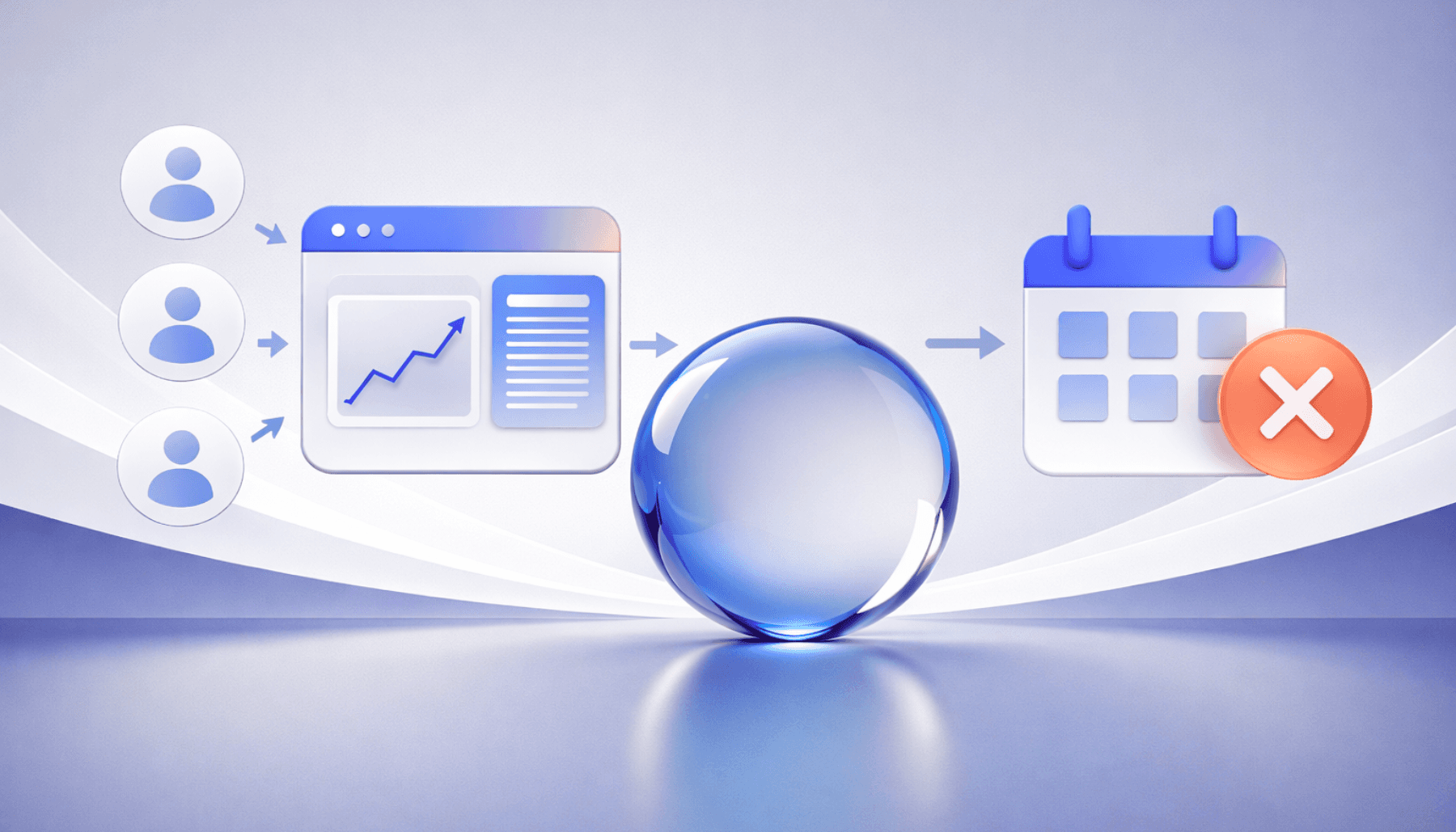
A working system connects three things:
Who you target
How you reach them
How you convert them
When these three are aligned, pipeline becomes predictable.
When they are not, no amount of activity will fix the problem.
The Three Strategies That Actually Work
Instead of chasing dozens of tactics, focus on three strategies that consistently produce results when executed properly.
1. Precision Outbound (Not Volume Outbound)
Most outbound fails because it is built on volume.
Large lists. Generic messaging. Low relevance.
What actually works is precision.
This means targeting a clearly defined ICP and sending highly relevant messages that reflect a specific problem.
Outbound is powerful because it gives you control. But that control only matters when targeting is sharp.
In practice, this starts with building high-quality lead lists.
Teams often use Apollo to filter prospects based on industry, company size, hiring trends, and buying signals. This ensures outreach starts with the right audience.
Once targeting is clear, messaging becomes easier. You are no longer trying to appeal to everyone. You are speaking directly to a defined segment.
2. Consistent Inbound (Not Random Content)
Inbound is where most companies either over-invest or completely ignore.
Some publish content without strategy. Others expect immediate results and quit early.
What works is consistency with intent.
Content should not be written for traffic. It should be written for problems your buyers are actively trying to solve.
Instead of writing broad topics, focus on specific questions and decision-stage content.
Over time, this builds authority.
When done right, inbound creates compounding demand that reduces dependency on outbound.
3. Conversion-First Website (Not Informational Website)
Even when outbound and inbound are working, most companies lose leads at the conversion stage.
Visitors land on the website but do not take action.
This is not a traffic problem.
It is a clarity problem.
Your website should immediately answer:
Who is this for?
What problem does it solve?
Why should I care?
If it fails to do this, leads drop off.
Conversion is where lead generation becomes revenue.
What This Looks Like Operationally
This is where most strategies fail. Not in theory, but in execution.
A working system is built on workflows, not isolated actions.
Outbound starts with structured lead sourcing, then moves into enrichment, then into outreach.
Inbound runs in parallel, focusing on high-intent topics that align with your ICP.
Both of these feed into a website designed to convert.
Execution requires infrastructure.
Apollo is used to build and manage lead lists with precision targeting
ReachInbox helps manage outreach sequences, ensuring emails are delivered properly and follow-ups are structured
Tools like Zapmail are often used to scale sending infrastructure without compromising deliverability
These tools are not strategies.
They enable consistent execution of the system.
Where Most Lead Generation Strategies Break
Even after understanding the system, most teams struggle with execution.
Here are the common failure points:
Targeting is too broad
When ICP is unclear, messaging becomes generic and ineffective
Messaging lacks depth
If outreach does not reflect a real problem, it gets ignored
No follow-up system
Most conversions happen after multiple touchpoints, not the first message
Weak handoff to sales
Leads are generated but not properly qualified
No feedback loop
Teams do not refine strategy based on performance
If your lead generation feels inconsistent, the issue is not effort. It is your system.

What High-Performing Teams Do Differently
The difference is not budget or tools.
It is how they approach execution.
They define a clear ICP and build everything around it.
They align outbound and inbound instead of treating them separately.
They continuously refine messaging based on real conversations.
Most importantly, they commit to consistency.
They do not stop and start. They build systems that run continuously.
A Practical Way to Start
If you are building your lead generation system, start simple.
Focus on outbound first to generate immediate feedback.
Use that feedback to refine your messaging and positioning.
Then build inbound around the same insights.
At the same time, improve your website to ensure conversion is not lost.
Do not try to scale too early.
Consistency first. Scale later.
Quick Summary for Founders
B2B lead generation is not about finding the right tactic.
It is about building a system where targeting, outreach, and conversion work together.
Companies that rely on disconnected strategies struggle with inconsistency.
Companies that build systems create predictable pipeline.
FAQs
What is the best B2B lead generation strategy?
How can I generate leads quickly?
Does inbound really work for B2B?
Why are my leads not converting?
What tools are best for B2B lead generation?
Lead generation should not feel random. It should feel engineered. If you want consistent pipeline instead of unpredictable results,