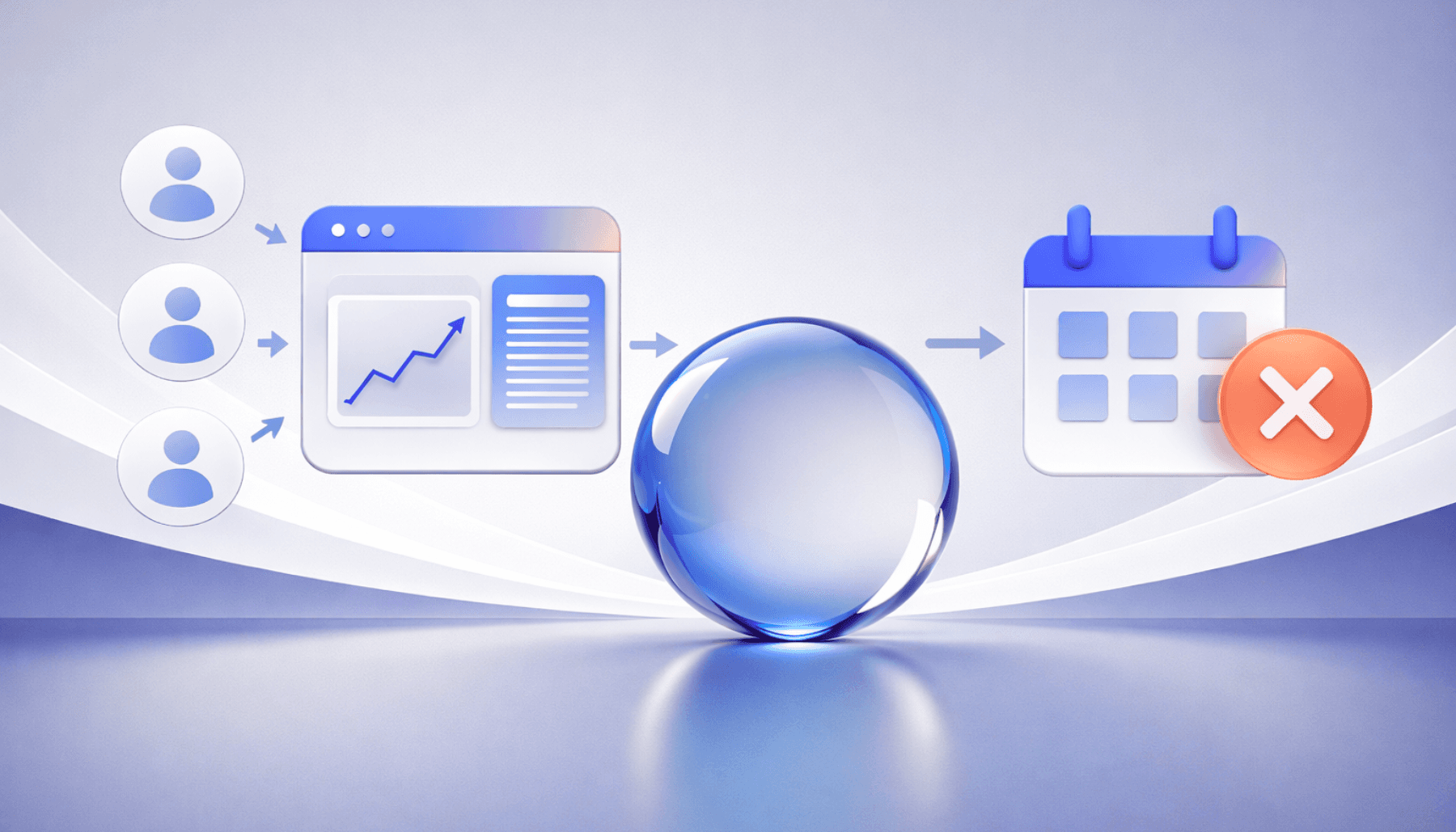
Why Your B2B Pipeline Feels Unpredictable
Most B2B teams think they have a lead problem. In reality, unpredictable pipeline is almost always a system problem.
Quick Answer
Your B2B pipeline feels unpredictable because your lead generation, qualification, and conversion are not built as a system. Most companies rely on disconnected campaigns and inconsistent outreach, which creates volatility instead of steady pipeline flow.
Key Takeaways
Pipeline inconsistency is caused by weak systems, not lack of effort.
More leads usually make the problem worse, not better.
Outbound, inbound, and conversion must work together.
Most companies operate in campaigns, not systems.
Predictability comes from structure, not volume.
The Problem Most Founders Misdiagnose
When pipeline starts fluctuating, the default reaction is almost always the same.
You assume something is wrong at the top of the funnel.
So you try to fix it by increasing activity. More emails. More ads. More outreach. More experiments.
For a short period, this even seems to work. You get a spike in calls or responses, which creates the illusion of progress.
Then it drops again.
This pattern repeats until the team starts believing pipeline is inherently unpredictable.
It is not.
What you are experiencing is not randomness. It is the natural outcome of a system that was never designed to produce consistent results in the first place.
What Pipeline Actually Looks Like Inside Most B2B Companies
If you look closely at how most teams operate, the inconsistency starts to make sense.
Outbound runs in bursts. Someone builds a list, sends emails for a week, then stops when replies drop.
Inbound is usually passive. A few blogs exist, maybe some SEO effort, but nothing structured or intentional.
The website sits in the middle, expected to convert, but it has never been designed with a clear conversion journey in mind.
There is no shared understanding of what a “good lead” actually looks like. Sales teams take whatever comes in. Marketing teams optimize for volume because that is what is easiest to measure.
Nothing is connected.
So the pipeline behaves exactly like the system behind it. Fragmented, inconsistent, and unpredictable.
The Shift Most Teams Never Make
The biggest mistake is treating lead generation as a collection of channels.
Outbound is one thing. SEO is another. Website is something else entirely.
But buyers do not experience your company in channels. They experience it as one continuous journey.
They might first see a blog, then receive a cold email, then visit your website, then book a call.
If each of these touchpoints feels disconnected, trust drops. And when trust drops, conversion drops.
What high-performing teams understand is simple.
Pipeline is not created by channels. It is created by systems.
How a Predictable Pipeline Actually Works
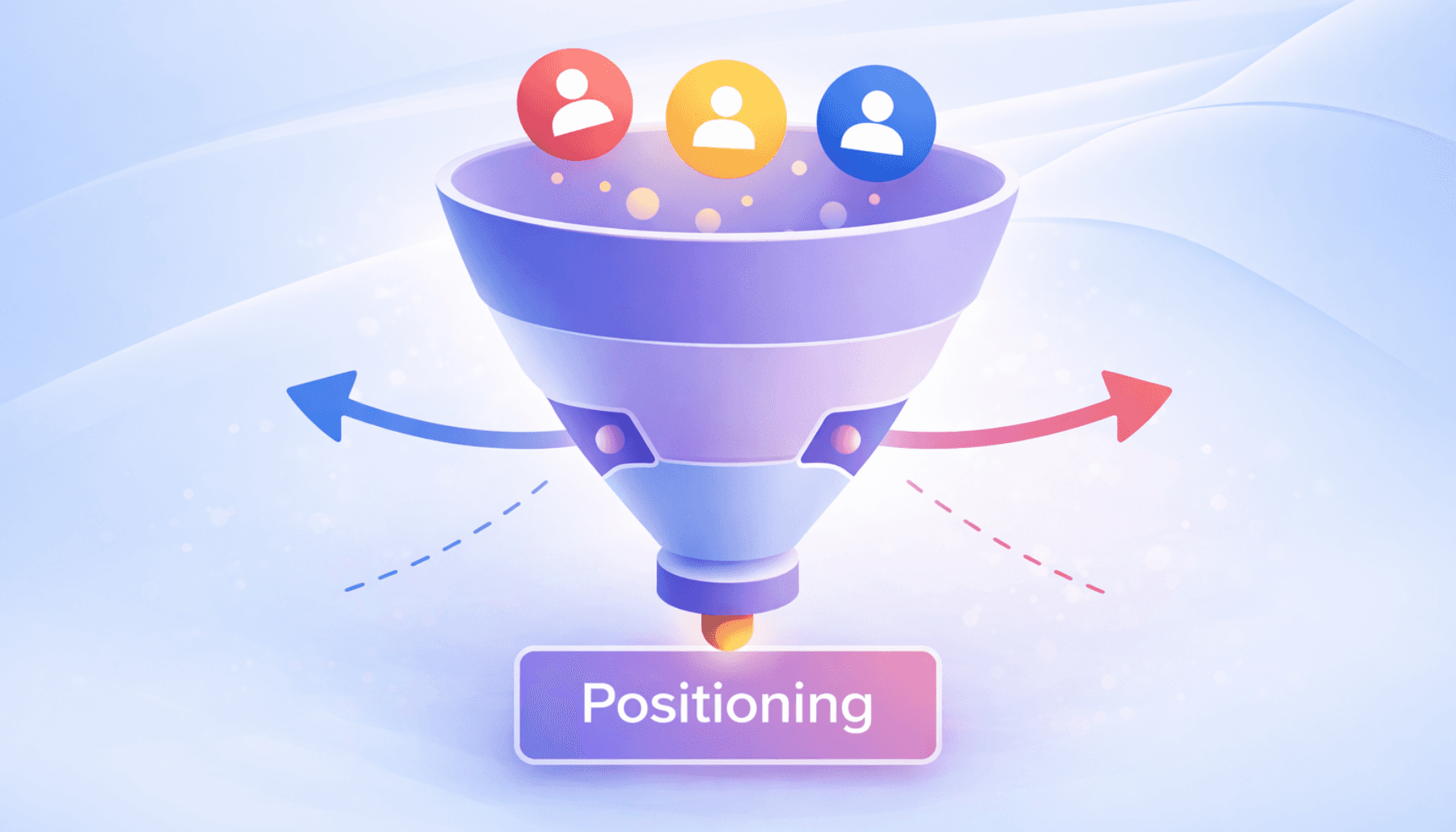
A predictable pipeline is not built by doing more. It is built by aligning four layers that most companies treat separately.
The first is positioning. If your positioning is unclear, everything downstream weakens. Outreach feels generic. Content attracts the wrong audience. Sales conversations turn into explanations instead of decisions.
The second is lead generation. This is where demand enters the system, but not all demand is equal. The goal is not volume. The goal is relevance.
The third is qualification. This is the most ignored layer. Without it, even good leads become wasted effort because the team cannot distinguish between curiosity and real intent.
The fourth is conversion. This is where the system either captures value or loses it. A confusing website or weak messaging can destroy even the best lead flow.
When these four layers are aligned, pipeline starts behaving differently. Not because you are doing more, but because everything is working together.
“Companies that excel at lead nurturing generate 50% more sales-ready leads at 33% lower cost.”
Source: Forrester Research (via HubSpot)
What This Looks Like Operationally
This is where most advice online breaks down. It tells you what to do, but not how it actually runs inside a company.
In a real B2B setup, outbound is not just sending emails. It starts with structured lead sourcing. Teams define their ICP clearly, then build targeted lists using tools like Apollo, which allows them to filter companies based on size, industry, and buying signals.
Once the list is ready, enrichment becomes critical. This is where tools like Clay are used to add context to each lead. Without this step, personalization becomes guesswork, and response rates drop.
Outreach itself is handled through tools like ReachInbox or similar platforms, not just to send emails, but to manage deliverability, domain health, and sequencing. Without this layer, even good messaging fails because it never reaches the inbox.
At the same time, inbound is not left to chance. Content is created around specific problems, not generic topics. Each piece is designed to attract a defined audience and push them toward a clear next step.
The website then acts as the bridge between demand and conversion. It does not just explain what you do. It makes it obvious who it is for and why it matters.
This is what a system looks like in practice. Not isolated tactics, but connected workflows.
The Tools That Actually Power This System
Once you start building a structured pipeline, execution quickly becomes a data and workflow problem.
This is where most teams break. Not because they lack strategy, but because they don’t have the infrastructure to support it.
In most high-performing B2B teams, this layer is handled using a combination of tools that work together:
Apollo is typically used for building highly targeted lead lists. Instead of scraping random data, teams filter companies based on size, industry, hiring signals, and buying intent. This ensures outbound starts with the right audience.
Clay is used to enrich and structure that data. It helps teams add context such as job changes, recent funding, or tech stack, which makes personalization meaningful instead of superficial.
For outreach execution, platforms like ReachInbox or similar tools are used to manage sending, sequencing, and deliverability. Without this layer, even strong messaging often lands in spam or never reaches the decision-maker.
What matters here is not the tools themselves, but how they are used together.
Lead sourcing, enrichment, and outreach should operate as a connected workflow. When these pieces are isolated, personalization breaks and response rates drop.
Why More Leads Usually Make Things Worse
There is a common belief that pipeline problems can be solved by increasing volume.
In reality, this often amplifies the problem.
If your qualification is weak, more leads simply means more unqualified conversations.
If your messaging is unclear, more traffic means more confusion.
If your conversion layer is broken, more demand just results in more drop-offs.
The system does not improve with volume. It becomes more inefficient.
This is why some companies generate hundreds of leads and still struggle to close deals, while others operate with smaller volumes but far higher predictability.
Where Most Teams Break Down
Even after understanding this, execution is where things fail.
Some teams over-invest in outbound without fixing positioning. Others focus heavily on SEO but ignore conversion. Many try to do everything at once without building a clear structure.
There is also a tendency to copy what competitors are doing. But what works for one company may not work for another because the underlying system is different.
The result is partial execution. And partial systems do not produce consistent outcomes.
If your pipeline feels unpredictable, the issue is not effort. It is how your system is designed.

How to Start Fixing Your Pipeline
The starting point is not tools or channels. It is clarity.
You need to define who you are targeting and what specific problem you are solving. Without this, everything else becomes guesswork.
From there, focus on one or two acquisition channels instead of trying everything. Build consistency before expansion.
Introduce clear qualification criteria so your team spends time on the right opportunities.
Then improve your conversion layer. Make your website and messaging do the heavy lifting instead of relying entirely on sales conversations.
Only after these pieces are in place should you think about scaling.
Quick Summary for Founders
Pipeline inconsistency is not random. It is a direct result of how your system is designed.
Companies that rely on disconnected tactics struggle with volatility. Companies that build aligned systems create predictability.
The difference is not effort. It is structure.
FAQs
Why is my B2B pipeline inconsistent?
Do I need more leads to fix pipeline issues?
Which channel works best for B2B pipeline?
How long does it take to fix pipeline problems?
Pipeline does not break because of lack of effort. It breaks because of lack of structure. If you want consistent, predictable growth, Work with SocialX to build a real pipeline system.